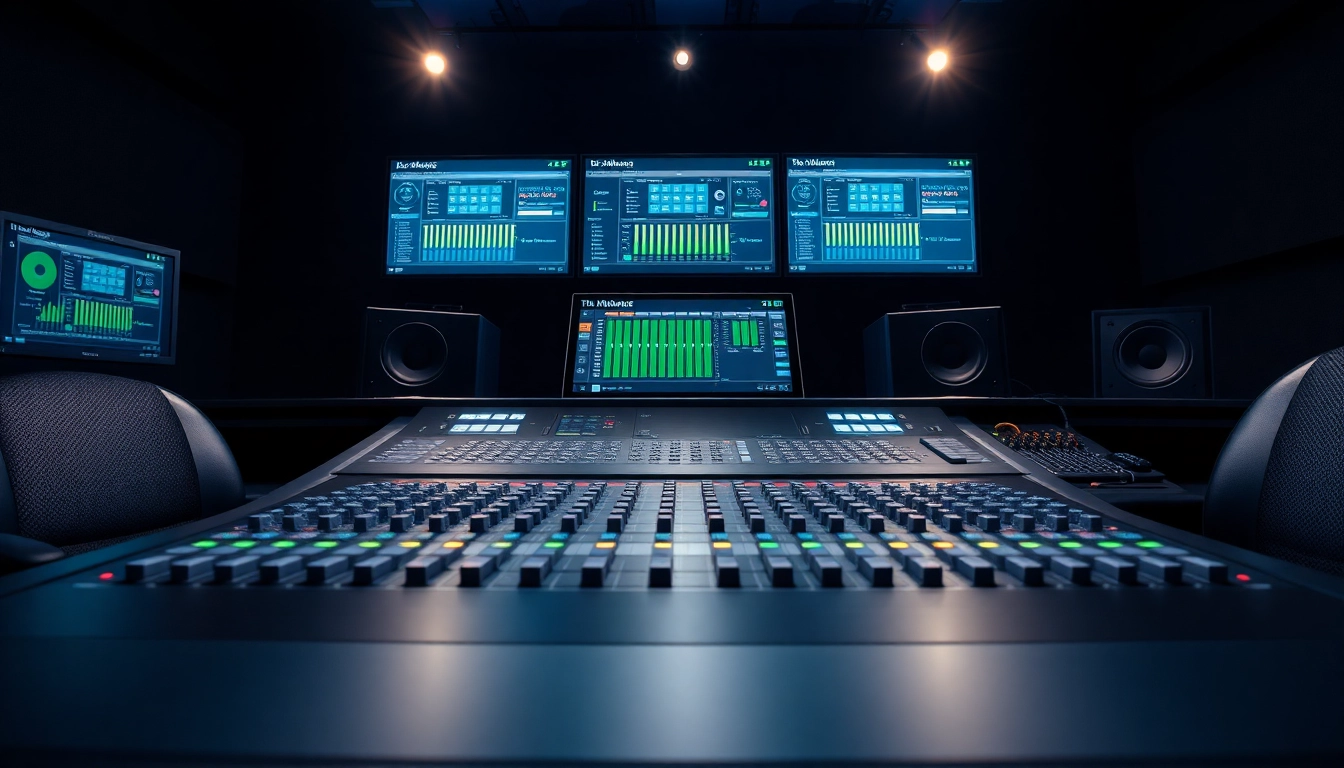
The Evolution of Digital Mixing Consoles
The evolution of digital mixing consoles has been a game changer in the audio industry, allowing sound engineers to achieve precision and flexibility that was unimaginable in the past. Among these advancements, the Q388 model has emerged as a significant innovation, marrying high-quality sound with cutting-edge technology. This article explores the journey of digital mixing technology, the standout features of the Q388, and its role in shaping modern audio production.
1. Overview of Digital Mixing Technology
Digital mixing technology has revolutionized how sound is managed and manipulated in various settings, from live performances to studio recordings. Unlike analog consoles, digital mixers process audio signals through digital signal processors (DSPs), providing superior audio quality and numerous functionalities. The rise of digital technology has enabled features like multi-channel recording, effects processing, and easy integration with software, enhancing the creative possibilities for audio professionals.
2. Key Features of the Q388 Model
The Q388 is designed with user-centric features that cater to both novice and experienced audio engineers. Key attributes include:
- Intuitive Interface: A user-friendly interface with a large touchscreen for easy navigation.
- Multi-channel Inputs: Supports numerous inputs, providing flexibility for complex audio setups.
- Advanced Effects Processing: Includes onboard effects that enhance sound quality without the need for external devices.
These features make the Q388 a versatile tool for any audio setup, whether in a professional studio or a live performance context. For more details, visit Q388.
3. Historical Context and Development
The development of digital mixing consoles has roots tracing back to the early 1980s when the first digital systems were introduced. However, it wasn’t until the late 1990s and early 2000s that digital mixers became mainstream. The Q388 is a part of this legacy, representing advancements in user interface design and audio processing capabilities that make it stand out among its competitors.
User Experience with Q388: A Deep Dive
1. Interface and Usability
Usability is a significant factor in the design of digital mixing consoles, and the Q388 excels in this area. The intuitive design allows users to navigate through complex audio settings with ease. Users appreciate its tactile feedback from faders and controls, making adjustments feel natural and responsive.
2. Comparing Q388 to Competitors
When compared to other models in its category, the Q388 holds its ground with superior features and reliability. Competitors may offer similar functionalities, but the Q388’s build quality and ease of use often set it apart, making it a preferred choice among professionals.
3. Real User Feedback and Testimonials
Feedback from sound engineers highlights the Q388’s exceptional sound quality and reliability. Users report that its performance in live settings is consistent, and many praise its intuitive interface. Testimonials also point out how the Q388’s advanced features enable them to enhance their sound design significantly.
Technical Specifications of the Q388
1. Audio Quality and Performance Metrics
The Q388 offers high fidelity audio performance, with specifications that include:
- 128 input channels
- 64 buses, supporting complex routing scenarios
- 24-bit audio resolution, ensuring clarity and precision
These metrics demonstrate the Q388’s capability to handle large-scale audio productions effectively.
2. Connectivity Options for Modern Needs
Connectivity is vital in today’s audio landscape. The Q388 features multiple input options, including USB and MIDI compatibility, which facilitate seamless integration with other audio devices and software. This adaptability is essential for modern audio setups, allowing engineers to customize configurations according to specific needs.
3. Environmental Considerations in Design
As sustainability becomes increasingly important in all industries, the design of the Q388 prioritizes eco-friendliness. Built from recyclable materials, it’s engineered to consume less power without sacrificing performance, aligning with global trends towards greener technologies.
Best Practices for Using Q388 in Live Settings
1. Setup and Configuration Tips
Proper setup is crucial for achieving optimal performance with the Q388. Here are some essential tips:
- Conduct a sound check before the live event to identify potential issues.
- Utilize the Q388’s onboard effects to enhance audio quality without overloading the system.
- Save configurations for different setups to expedite transitions between performances.
2. Troubleshooting Common Issues
Even the best systems may encounter issues. Familiarize yourself with troubleshooting common problems such as signal drops or latency delays. Regular software updates and firmware checks can also preemptively resolve potential conflicts.
3. Essential Accessories and Enhancements
To enhance the Q388 experience, consider investing in accessories such as high-quality microphones, noise-canceling headphones, and additional external processors. These tools can expand your Q388’s capabilities and improve the overall sound quality.
Future Trends in Audio Mixing Technology
1. Emerging Innovations in the Industry by 2025
The audio mixing industry is on the cusp of transformation, with innovations like immersive audio technologies and enhanced user interfaces expected to dominate by 2025. These advancements will improve how sound is crafted and experienced in both live venues and studio environments.
2. Integration of AI and Machine Learning
AI and machine learning are beginning to play a crucial role in audio mixing. These technologies offer predictive analytics for performance optimization and automatic adjustments during live recordings, allowing for a more adaptive mixing environment.
3. Predictions for the Next Generation of Mixing Consoles
As the industry moves forward, the next generation of mixing consoles, like the anticipated models after the Q388, will likely focus on enhancing user interactivity and sustainability. Features may include augmented reality interfaces and further integration with mobile apps for remote control capabilities.
In conclusion, the Q388 not only embodies the technological advancements of today but also sets the stage for future innovations in the audio mixing space. As users continue to explore its features and push the boundaries of audio production, tools like the Đá gà Q388 will remain essential in adapting to evolving industry demands.